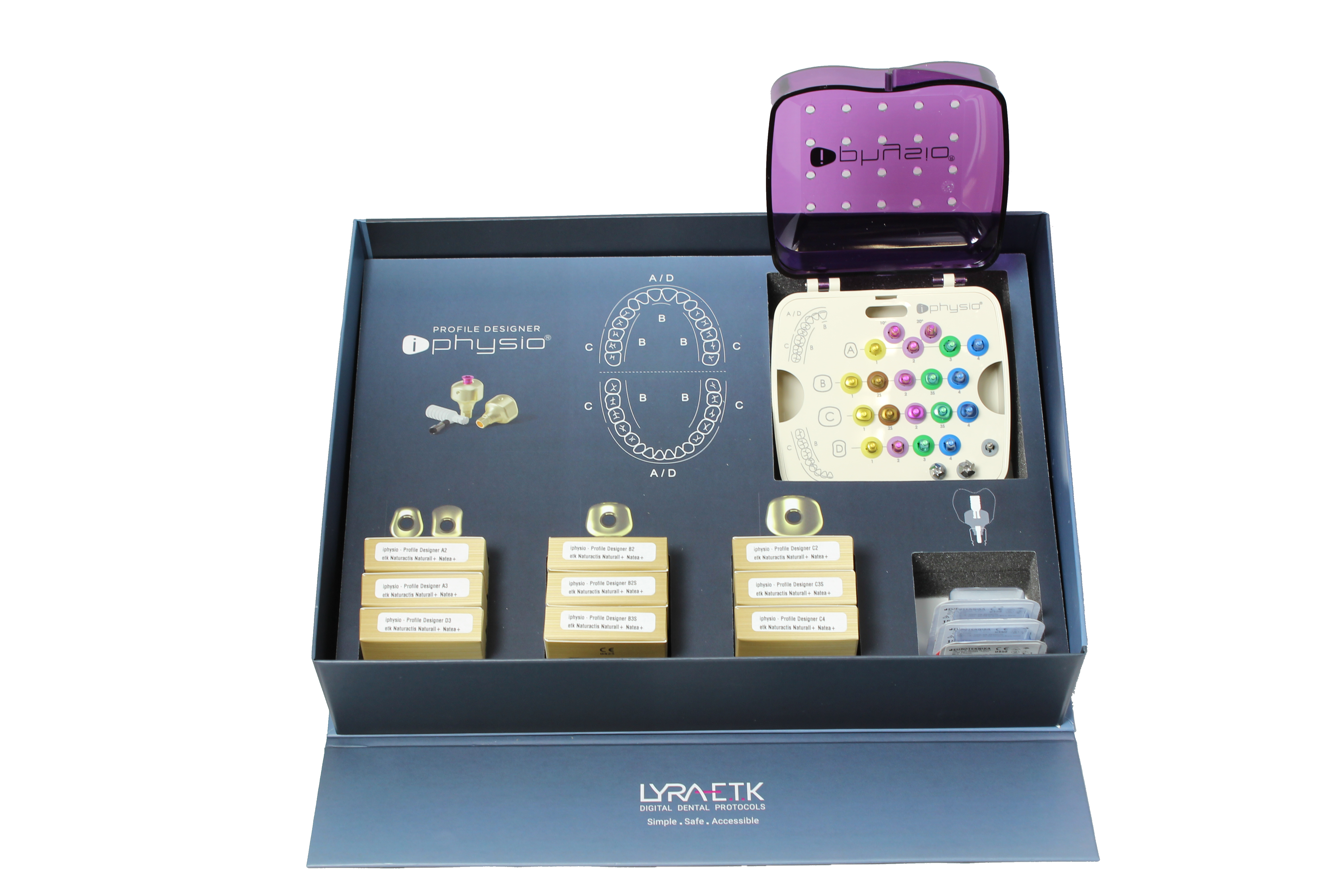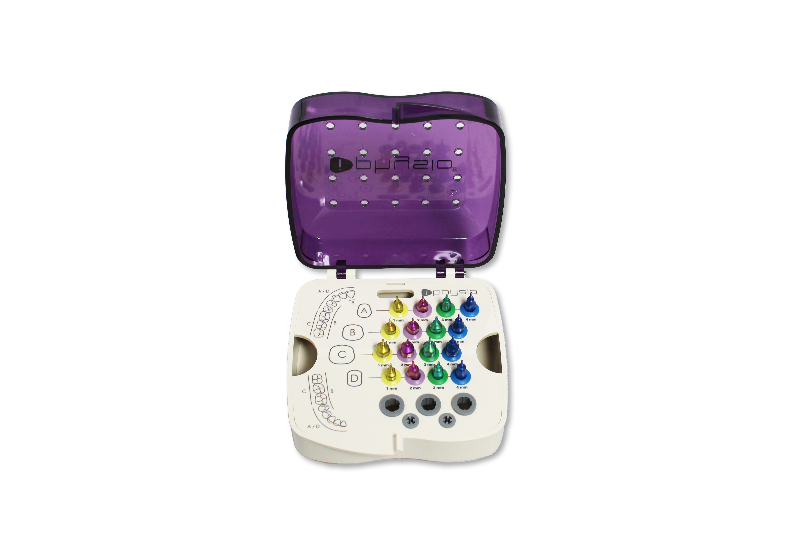
Universal try-in abutment kit
Couldn't load pickup availability
To benefit from your purchasing conditions, please choose payment on invoice when completing your order.
 Precise and leak-proof connection
 Certified surface finish
 100% French-made implants, lifetime guaranteed
 Patents filed, CE certified, ISO 13485 and ISO 9001

Product details
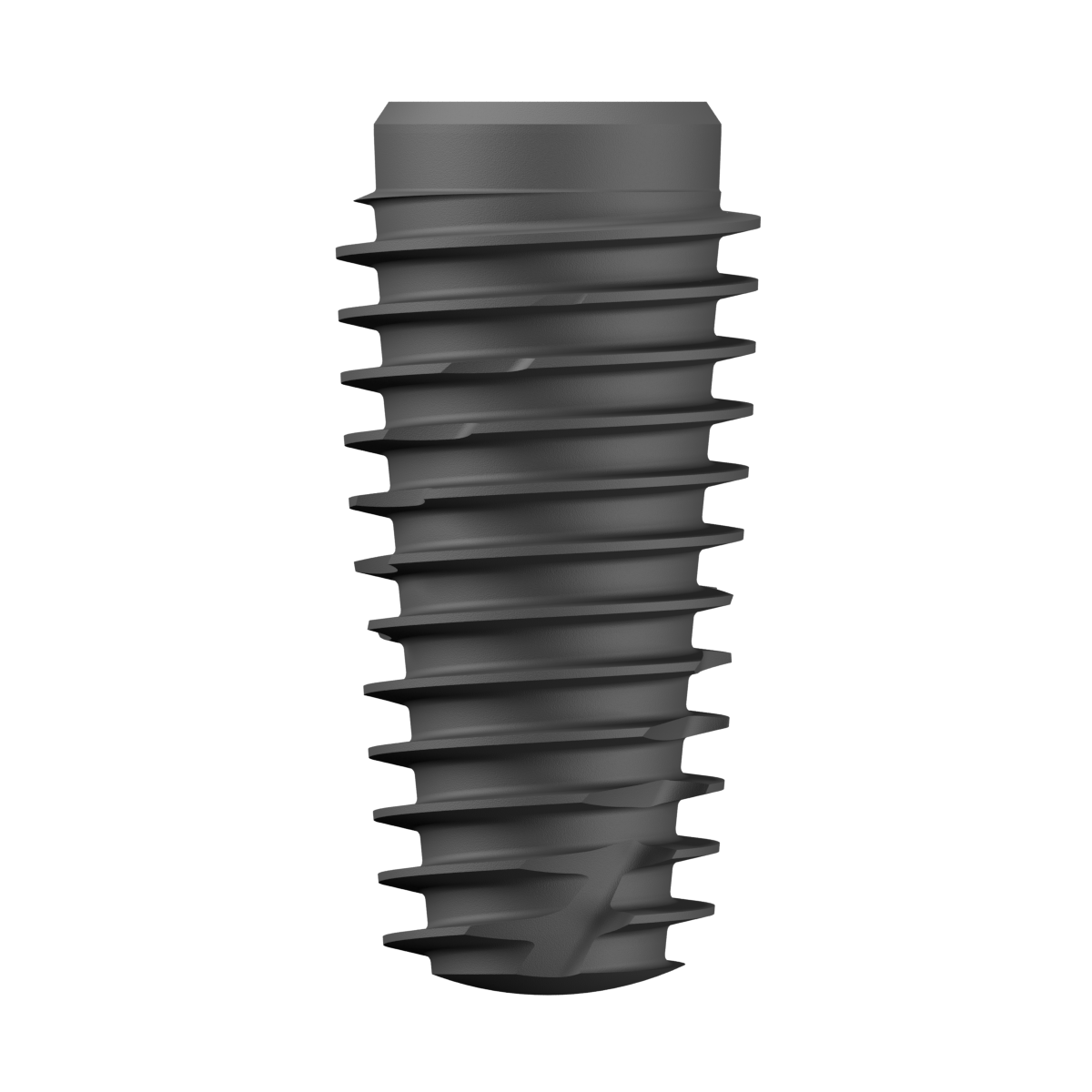
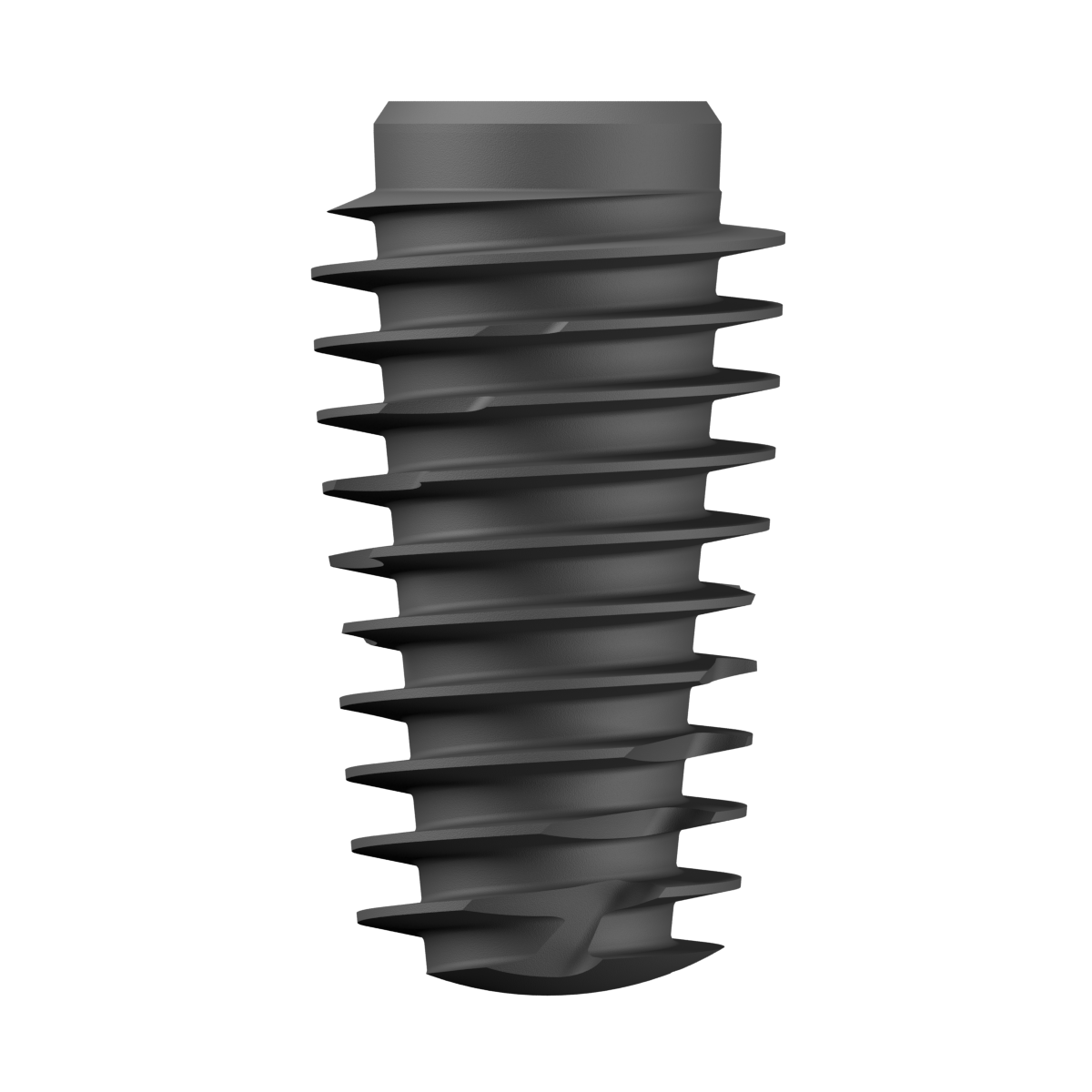
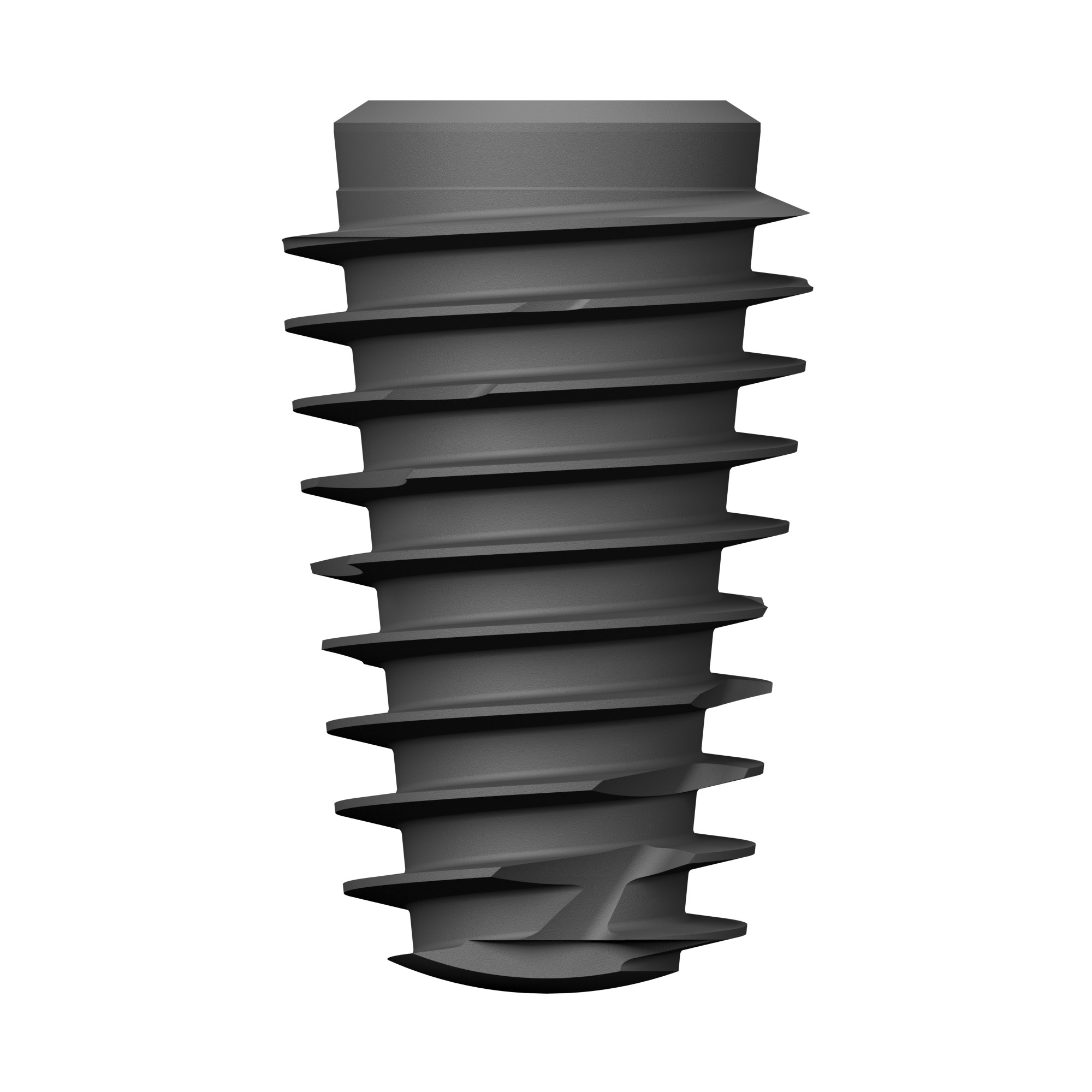
The kit contains 16 trial abutments (4 shapes / 4 heights) made of titanium. It is the ideal tool to select the most suitable height and shape of the Profile Designer for your clinical case.
The kit is autoclave-sterilizable and reusable.
Manufacturer: ETK
Shipping & Returns
Free shipping for orders over €384 incl. VAT, and €600 incl. VAT for overseas territories (DOM-TOM).
Shipping fees:
- France, Corsica, Belgium: €12 incl. VAT
- Switzerland, Luxembourg: €42 incl. VAT
- DOM-TOM: €80.40 incl. VAT
Please note: Only deliveries to France, Corsica, Belgium, Switzerland, Luxembourg, and DOM-TOM can be placed via the E-Shop. For orders to other countries, please contact us via chat.
Our team is available Monday to Friday. Contact us.
THE ADVANCED TECHNIQUE IN IMPLANTOLOGY – iPhysio®

FAQ
I use a temporary abutment in my iPhysio® protocol. There are no colored screws visible on the scan. What should I do?
Can I use the original interfaces of my implants if I use compatible iPhysio® Profile Designers?
Does the temporary abutment have sufficient retention to hold my temporary crown in place throughout the healing phase?
How do I position my iPhysio® Profile Designer?
I don't have a camera. How can I make my physico-chemical silicone impression?
Can I sterilize the iPhysio® Profile Designer?
How can I ensure that the anatomical information (height and shape) from the iPhysio® Profile Designer is correctly transmitted to my laboratory?
I'd like to start using the iPhysio® protocol, but my laboratory can't handle the flow. How can I get started?
How does the emergence profile impression work?
How can I be sure I'm choosing the right iPhysio® Profile Designer?
What is the retention of the temporary pin on the iPhysio® part?